
Understanding Once or Twice buyer behaviour
Once or Twice purchases are important decisions, where the customer is likely to start out with limited knowledge or experience of what to buy, which will affect their behaviour. Understanding these behaviours and reflecting them within your marketing strategy is essential for business success.


Most purchase decisions that we all make are easy, familiar, and almost automatic. We have experience and knowledge of what we are buying, and we normally know exactly where to go, to get what we want. But with Once or Twice products and services, the very nature of them means that for most people this will be the first time they are making that purchase – and they will have very little knowledge or prior experience to guide them. At the same time, a lot of Once or Twice purchases are big important decisions that can affect lives – people want to get this decision right, they are looking for trust, quality and reassurance. This combination of uncertainty and importance creates a unique environment for customers, and we see buyer behaviour that is specific to Once or Twice purchases. Below are some of the key behaviours and points that a business needs to consider.

Knowing the moment of need
The majority of Once or Twice purchases are very deliberate and planned, and will coincide with a particular stage in life, and to some extent can be predictable, at least to the customer. Most people will plan to go to university when they finish school at 18; buying an engagement ring will normally come after a reasonable period of dating; choosing to get a new fitted kitchen could come after months of discussion around necessity, budget and timing. Businesses can identify triggers and markers to help target customers entering these purchase windows with appropriate messaging and offers.
However, some Once or Twice purchases come out of nowhere, they’re unexpected and forced on the customer with no warning or preparation. No one plans to get locked out of their house and need a locksmith; there is no warning that your boiler is going to break down; or the need to arrange a funeral will often be unexpected. Businesses that provide distress or unexpected services need to be alive to the unpredictable nature of the market and how to best be placed to reach the customer at the moment of need.
Mindset
The mindset of the customer will be largely affected by the moment of need and how and when they enter the market. If the customer is forced into making a purchase unexpectedly, then there will be an element of distress and often the need for rapid decision making. Businesses need to be alive to this, first of all in providing trust and reassurance, but especially being clear and highly responsive from the start.
At the opposite end, where the purchase is planned and deliberate, the customers mindset will be excited, highly engaged and considered. There could be months and sometimes years of research, planning and decision making. What can come with this is indecision and an inability to make commitments, constantly comparing alternatives. How customers are nurtured and managed through the purchase process, recognising their variable state of mind is really important.
Culture and Lifestyle
There are a lot of cultural and lifestyle factors that can significantly impact the purchase behaviour in Once or Twice situations. Do the individuals deem the purchase to be a necessity or a luxury? Is it a functional purchase or do they want an enhanced experience? Is there an element of status and image that will come from choosing a particular product or provider? What is their financial situation and affordability? Will cultural or other beliefs guide and influence their behaviour?

Product Knowledge
Customers will likely have limited knowledge on the product or service, and in some cases won’t even know what product they need to solve their problem. This can create problems in knowing what to look for, how to gauge what is a good or bad product, or what are the key things to look out for when comparing alternatives. They will be looking for ways to educate themselves or identify experts that can support them. In the absence of specific knowledge things such as brand familiarity, social proof and recommendations will play an even more important role in a Once or Twice purchase decision.
Rational and Deliberate
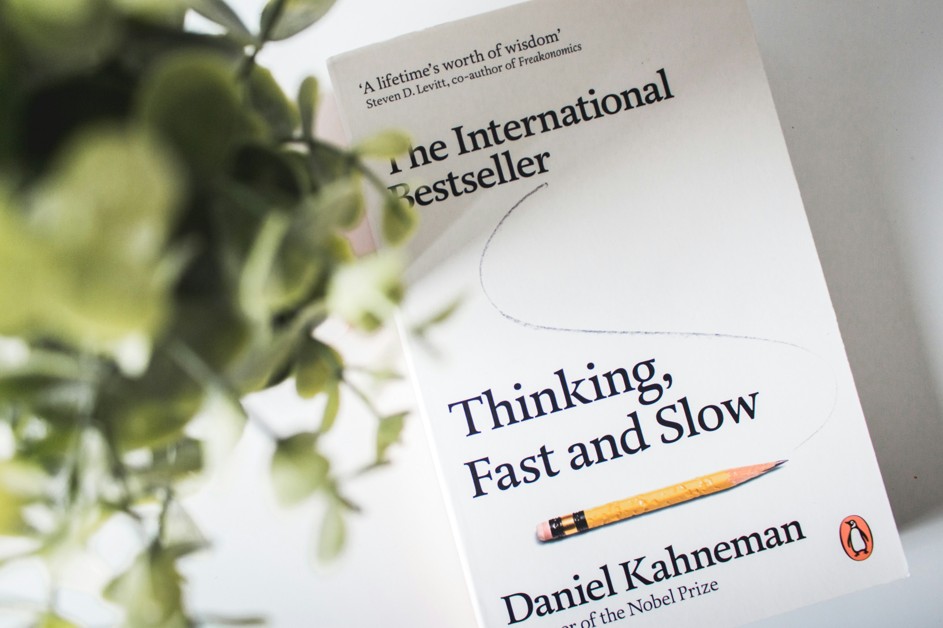
For those familiar with Daniel Kahneman and Thinking Fast and Slow, our brains have two ways of thinking – System 1 and System 2. System 1 is what drives a lot of our daily lives, our decision-making Is fast, automatic and intuitive. A lot of our regular, repeat purchases will be driven by System 1 thinking. Once or Twice purchases however will involve much more System 2 processing. Here rational, deliberate thinking plays a larger role, as consumers look to weigh options and educate themselves thoroughly. System 1 does still come into play, especially for initial brand recognition and the forming of an initial consideration set in the mind of the consumer, but businesses will have to work much harder to persuade the engaged System 2 mind to complete the purchase.
Emotional influences
It would be foolish to ignore the overwhelming influence emotions and feelings will play in any Once or Twice purchase decision. Some purchases will be tied to a sense of pride and personal achievement; nostalgia and sentimentality could come into play – choosing to buy something because parents may have done so. Then depending on the situation there could be excitement and anticipation or alternatively stress and urgency. Emotions can often override logic, and by acknowledging and addressing the high emotional importance of a Once or Twice purchase and the need to get the purchase right, businesses can ensure they are managing the customer journey most effectively.
Multiple Decision Makers
For Once or Twice purchases, you can expect there to be more than one person involved in the purchase decision. This goes for consumers, where it could be a couple or a family unit, but it is especially applicable in B2B purchase situations. It is essential to keep this in mind when identifying your ideal target audience and preparing advertising or communications – getting your product positioning and communications right for multiple stakeholders can be complicated.

Physical Preference
Whilst digital will play a significant role in the discovery and education phase of the customer journey, for many Once or Twice purchases physical experience is critical. Consumers will be looking to experience the product first hand before committing to making a purchase. This is a key consideration for businesses in providing localised services and ensuring physical availability near their target audience.

High Expectations
Consumers will often be conscious of the fact this is a once in a lifetime purchase and as such they will be looking for higher levels of quality, durability and satisfaction. They want the best and will often push their budgets to the max to get the best possible solution they can afford. In fact, in many situations they will look to push beyond their maximum budget to get what they really want, turning to finance solutions to enable the purchase. Emphasising the value and excellence of your product is critical to meet these elevated expectations.
High Expectations
Consumers will often be conscious of the fact this is a once in a lifetime purchase and as such they will be looking for higher levels of quality, durability and satisfaction. They want the best and will often push their budgets to the max to get the best possible solution they can afford. In fact, in many situations they will look to push beyond their maximum budget to get what they really want, turning to finance solutions to enable the purchase. Emphasising the value and excellence of your product is critical to meet these elevated expectations.

Psychological Biases and Heuristics
There are a range of human biases that affect our everyday behaviour and lives, but some are more emphasised when in a Once or Twice purchase situation. Understanding these biases and heuristics will really help develop a strong strategy. Some of the key ones to consider are:
- Loss Aversion. People tend to prefer avoiding losses over acquiring equivalent gains. Buyers may prioritise choices that minimise perceived risk – such as choosing a well-known brand or paying a higher price to avoid regret.
- Cognitive Load. Excessive information can overwhelm buyers, making decision making difficult. Whilst they will be looking to educate and learn about their purchase, simplifying the experience and choices will help buyers feel more confident.
- Anchoring. Initial information can provide a reference point for judgements and decisions. With limited knowledge, the first piece of information or price point could disproportionately affect the customers decision making.
- Framing Effect. The way information is presented can have a significant impact on decision making – reframing a high cost as a long-term investment for example can influence a buyer’s choice.
- Social Proof. People are influenced by the actions and endorsements of others. In the absence of knowledge and experience, buyers will over-emphasise the importance of reviews, testimonials, recommendations and even just the amount of other people using the product or service
- Endowment Effect. People assign more value to things they have invested time in. Buyers may overvalue initial options they research and consider, even if better alternatives are available
- Sunk Cost Fallacy. People persist with decisions based on prior investments of time or money. Buyers may continue with an initial provider that may grow to be unsuitable just because they have already spent time and money and don’t want to start again.
- Availability Heuristic. Decisions are influenced by readily available information and experiences. This is especially relevant for the unexpected Once or Twice purchases, but advertising and being present at the key purchase moments can have a significant effect on buyer behaviour.
- Halo Effect. Once or Twice purchases are often complex with multiple facets – a strong brand reputation in one area that is of particular importance to an individual could over compensate for other areas and imply a greater overall performance than is actually the case.
- Overconfidence Bias. People overestimate their knowledge and decision-making abilities. Buyers may skip expert advice or cut corners, thinking they have done enough research. Substituting price as a proxy for quality is common within this bias.
Humans are complex creatures, and we can never hope to fully understand the full breadth of what influences buyer behaviour in Once or Twice purchase situations. But considering the points discussed and how they apply to your business and your specific customer journey will have a big impact on developing a successful marketing strategy.
Reflecting these insights in your communications and marketing approach, allows deeper connections with your audience, provides the reassurance and clarity they need, and positions your brand as the trusted choice. Whether it’s simplifying decision-making, addressing emotional drivers, or tailoring messaging that resonates with their mindset and moment of need, thoughtful consideration of these factors will ensure you stand out in this competitive market and win the customers trust when you have just one chance to get it right.
Learn more about Once or Twice

Once or Twice businesses
4 categories that define Once or Twice businesses

Once or Twice marketing
Key marketing principles for Once or Twice businesses
Once or Twice businesses
4 categories that define Once or Twice businesses
Once or Twice marketing
Key marketing principles for Once or Twice businesses
Once or Twice businesses
4 categories that define Once or Twice businesses
Once or Twice Marketing
Key marketing principles for Once or Twice businesses